What happened
Over-the-counter drugs and supplements
Over-the-counter drugs and dietary supplements are regulated very differently from each other, and both differently from prescription drugs. The distinction matters because it determines what a manufacturer was required to do before selling it to you.
Published July 27, 2026 · Last reviewed July 30, 2026
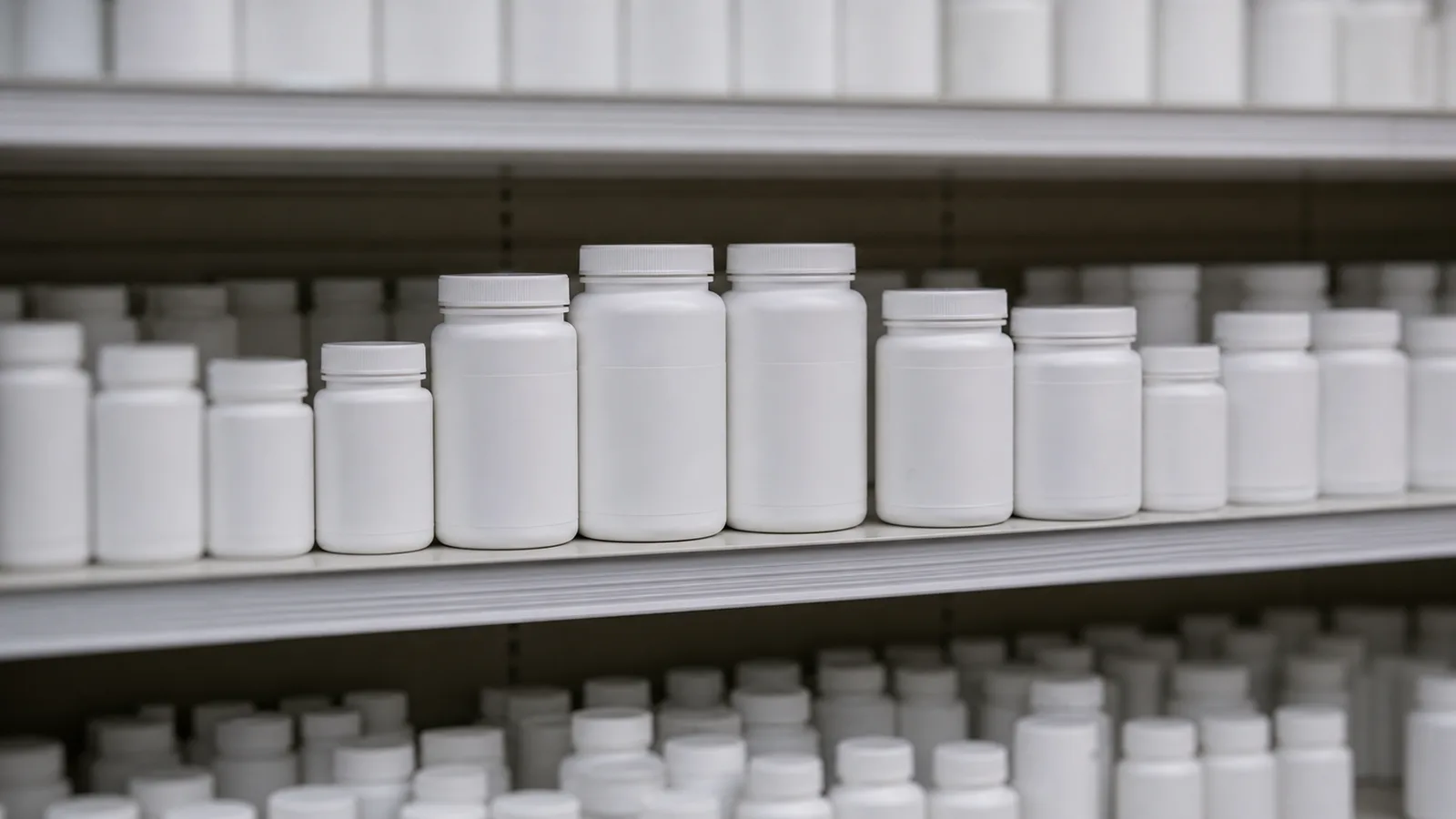
The regulatory gap
Prescription drugs require pre-market approval with clinical trials demonstrating safety and efficacy. Most over-the-counter drugs are marketed under monographs specifying acceptable ingredients, doses, and labeling.
Dietary supplements sit in a different regime entirely. Under the framework Congress established in 1994, supplements do not require pre-market approval for safety or efficacy. Manufacturers are responsible for ensuring their own products are safe, and FDA's authority is largely reactive — it generally has to demonstrate a product is unsafe after it's already being sold.
That gap has predictable consequences: undeclared pharmaceutical ingredients in products marketed as natural, ingredients present at doses far above what the label states, contamination with heavy metals, and health claims with no evidentiary support.
Claim routes
Supplement claims are usually not warning claims, because the failure is more fundamental.
- Adulteration — the product contains something not on the label, which is a straightforward defect claim
- Contamination with heavy metals, pesticides, or microbes
- Potency deviation, where actual content differs substantially from the label
- Failure to warn about interactions with prescription medications
- Misrepresentation, where marketing claims go beyond what's supportable
- Manufacturing failures under the applicable good manufacturing practice requirements
Liver injury deserves specific mention
Supplement-associated liver injury is a documented and serious phenomenon, and herbal and dietary supplements account for a meaningful share of drug-induced liver injury cases in the United States. Bodybuilding and weight loss products are overrepresented.
If you developed unexplained liver injury while taking a supplement, tell your physician exactly what you were taking, including anything you might not think of as a drug. It matters diagnostically and it establishes the record.
Preserve the product
More important here than almost anywhere, because unlike a prescription drug there's no independent regulatory record of what was actually in it. The only way to establish the contents is to test the product.
Keep the remaining product, the bottle, the label, the lot number, and the receipt or order record. Don't return it to the seller. If it was bought online, preserve the listing, the seller identity, and all order records — online marketplace supplement sellers can be difficult to identify later.
What tends to make a claim worth pursuing
None of these is a guarantee. They are the facts an attorney will look for first when deciding whether to take a case like yours.
- You still have the product and its packaging
- The product was recalled or subject to an FDA warning
- Testing showed undeclared or excess ingredients
- You developed liver injury, cardiac symptoms, or another serious effect
- The product was marketed for weight loss, muscle building, or enhancement
- You have the purchase record and seller information
Questions
Can supplement companies be sued if FDA doesn't approve them beforehand?
Yes. The absence of pre-market approval doesn't grant immunity — it means nobody verified safety before sale. Product liability claims for defective, adulterated, or contaminated supplements proceed under ordinary state law.
It was bought from an online marketplace.
Identifying and reaching a foreign or anonymous seller is the practical difficulty. Whether the marketplace itself can be liable is an evolving question that varies by state. Preserve the listing, order records, and seller information immediately — listings disappear.
The label had a disclaimer about not being evaluated by FDA.
That disclaimer is a required statement about health claims. It's not a waiver of liability for a product that was contaminated, adulterated, or otherwise defective, and it doesn't license selling something that isn't what the label says.
Read next
Other situations

My medication was recalled
Contamination claims sidestep the preemption problem entirely.
Read this
A prescription drug harmed me
The hardest claim here. Whether it's viable often turns on brand versus generic.
Read this
An implant or device failed
How the FDA cleared the device usually decides whether you can sue at all.
Read this
The pharmacy made an error
The most provable claim here. The error is documented and preemption doesn't apply.
Read thisEvidence and research resources
See all resourcesEvidence checklist
The records, objects, photographs, and timelines worth preserving now.
Read thisPlain-language glossary
Medical, insurance, safety, and legal terms explained without the jargon.
Read thisOfficial sources
The government, court, safety, and medical sources used to check this site.
Read thisHave a lawyer look at this
A free review tells you whether the facts you have are the facts that matter. No cost, and no obligation to hire anyone.
Free · No obligation · About 90 seconds