Guide
Deadlines, and when the clock actually starts
Drug injury deadlines are more complicated than most, because the injury and the knowledge that a drug caused it are frequently separated by years.
Published July 27, 2026 · Last reviewed July 30, 2026
The discovery rule
The ordinary rule starts the clock at injury. Most states apply a discovery rule to drug cases, starting it instead when you knew or reasonably should have known both that you were injured and that the drug may have caused it.
That's essential here, because a drug-caused injury frequently isn't recognized as drug-caused for years — sometimes not until a label change, a withdrawal, or public reporting makes the connection visible.
The catch is the phrase reasonably should have known. Widespread publicity about a drug can start the clock even if you personally didn't connect it, which is why waiting after you've become aware of a potential connection is risky. Once you're wondering, the clock may already be running.
Pharmacy errors run on a different clock
Pharmacy claims may be treated as professional negligence, ordinary negligence, or another theory depending on the state and the conduct alleged. Where professional negligence applies, many states impose a shorter deadline than ordinary personal injury, plus procedural requirements: a certificate of merit or expert affidavit filed with the complaint, and sometimes a pre-suit notice period.
Some states also apply a statute of repose to malpractice claims, cutting them off a fixed number of years after the act regardless of discovery.
These are the shortest deadlines in this category. Don't assume you have the ordinary window.
Other timing issues
Several situations change the analysis.
- Wrongful death deadlines are often shorter and run from the date of death rather than the date of injury
- Deadlines for minors are typically tolled
- Established MDLs sometimes have registration deadlines or tolling agreements with their own cutoffs — these are litigation-specific and can be short
- Government entity claims require a notice of claim within a short administrative window, relevant where a VA, military, or public hospital pharmacy was involved
- Some states apply a statute of repose to product claims generally
What doesn't extend anything
Talking to an insurer, corresponding with a manufacturer's customer service, waiting for an FDA investigation, waiting for a recall to be announced, or waiting for more studies to come out. None of these toll a statute of limitations, and nobody involved is obligated to warn you.
Questions
I took this drug ten years ago. Too late?
Not necessarily. If the connection between the drug and your injury wasn't reasonably knowable until recently, the discovery rule may mean the clock started much later. It's fact-specific and depends on your state and on what was publicly known when.
The MDL is still going. Can I join anytime?
No. Your individual statute of limitations still applies, and MDLs sometimes impose their own registration deadlines. Existing litigation does not pause your personal clock.
I only just realized my medication might be connected.
Then move now. Under the discovery rule the clock may have just started — but it also may have started earlier if the connection was widely publicized. That ambiguity is a reason to act quickly rather than to relax.
Situations this applies to

The pharmacy made an error
The most provable claim here. The error is documented and preemption doesn't apply.
Read this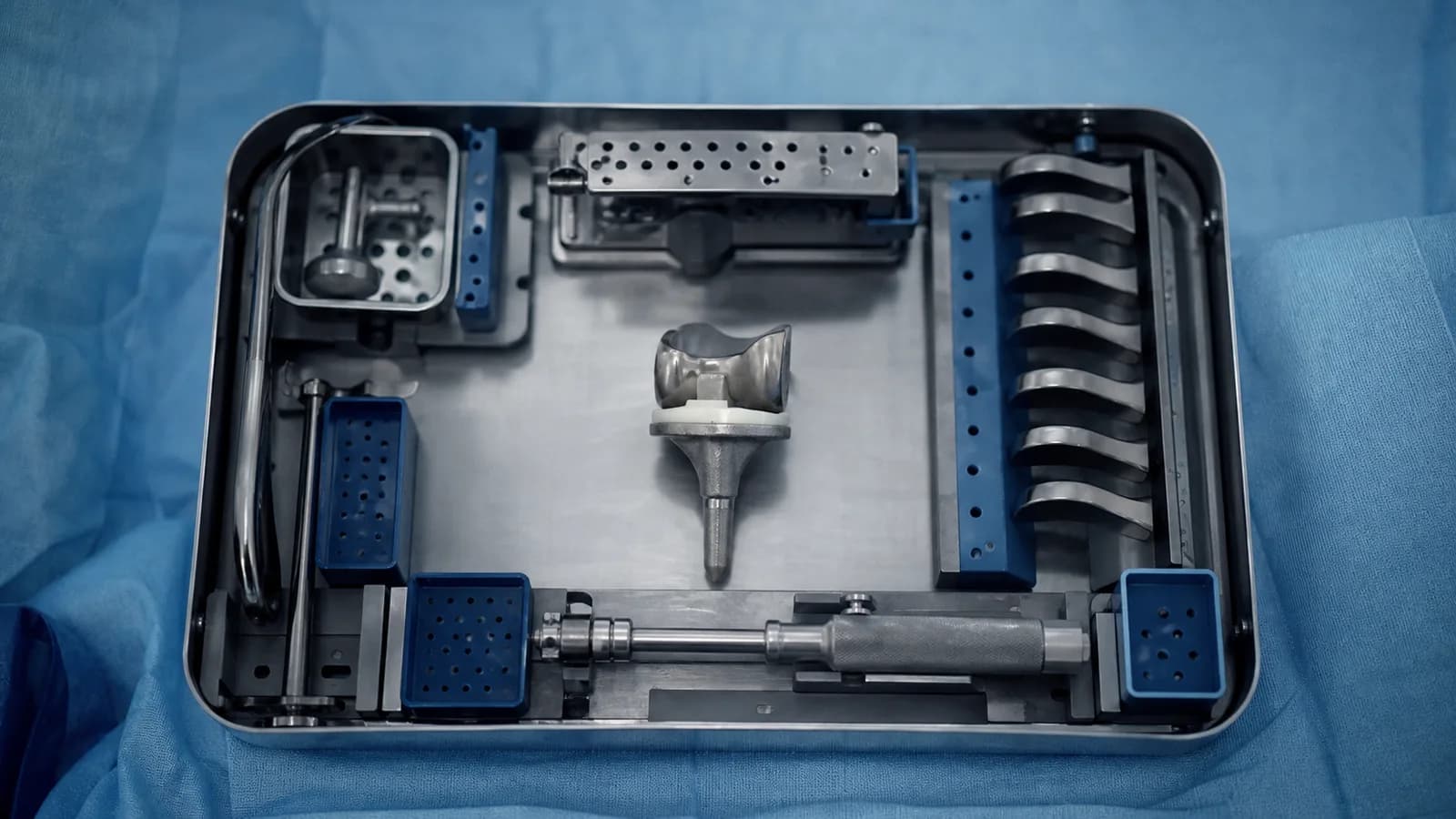
An implant or device failed
How the FDA cleared the device usually decides whether you can sue at all.
Read this
A prescription drug harmed me
The hardest claim here. Whether it's viable often turns on brand versus generic.
Read this
My medication was recalled
Contamination claims sidestep the preemption problem entirely.
Read thisRelated guides
Evidence and research resources
See all resourcesEvidence checklist
The records, objects, photographs, and timelines worth preserving now.
Read thisPlain-language glossary
Medical, insurance, safety, and legal terms explained without the jargon.
Read thisOfficial sources
The government, court, safety, and medical sources used to check this site.
Read thisGet a straight answer about your case
Reading only gets you so far. A free review puts your actual facts in front of an attorney who handles these claims.
Free · No obligation · About 90 seconds