Guide
MDL is not a class action
The most common misunderstanding in this field is that joining drug litigation means joining a class action. It usually doesn't, and the difference determines what you actually receive.
Published July 27, 2026 · Last reviewed July 30, 2026
MDL versus class action
In a class action, one representative litigates on behalf of everyone, the outcome binds the class, and members typically receive an identical distribution. That structure works for claims where everyone was harmed the same way — a billing overcharge, a mislabeled product with no injury.
It works poorly for personal injury, because injuries differ enormously. One person had a mild reaction; another needed a transplant. Courts routinely refuse to certify personal injury classes for exactly that reason.
Multidistrict litigation is the alternative. Individual cases filed around the country are transferred to a single federal judge for coordinated pretrial proceedings — discovery, expert challenges, and bellwether trials. Each case stays a separate case with its own facts and its own value. It's an efficiency mechanism, not a merger.
Bellwether trials
The court selects a representative sample of cases to try first. Those verdicts don't bind the others, but they establish what juries do with the evidence — which is what drives settlement values for everyone else.
It's why these cases take years. General causation experts have to be developed and survive challenge, millions of pages of manufacturer documents get produced, and bellwethers have to be tried before anyone knows what the litigation is worth.
How settlements get structured
Large pharmaceutical litigation typically resolves through an aggregate settlement with a matrix: categories based on injury severity, duration of use, age, and documentation quality, with point values assigned and individual awards calculated from them.
Which means documentation directly determines your recovery. Two claimants with the same injury can land in different tiers based on whether the medical records establish diagnosis, timing, and use clearly. Gathering records is the work that sets what your case is worth.
Deductions come off the top: attorney fees, case costs, common benefit assessments funding the collective work, and any medical liens from health insurers or government programs. Lien resolution is a real process and often takes months after settlement.
Time expectations
Be realistic. Pharmaceutical litigation moves through investigation, records and expert review, filing, coordinated discovery, expert challenges, bellwether trials, and then settlement or trial. Each stage takes months to years, and the total is measured in years rather than months. Anyone suggesting a quick payout is misrepresenting how this works.
Individual claims outside an MDL — a pharmacy error, for instance — move much faster, often resolving in one to two years.
Questions
Does joining an MDL cost me anything?
Representation is contingency-based — no fee unless there's a recovery. Case costs are typically advanced by the firm and repaid from recovery, and MDL cases also carry a common benefit assessment funding the shared work. Ask for the fee agreement in writing and ask how costs and assessments are calculated.
Should I opt out and file alone?
Rarely advisable, and it isn't quite how MDL works — you file your own case and it's transferred. Pursuing a pharmaceutical claim entirely outside coordinated litigation means bearing the full cost of general causation experts alone, which is prohibitive for all but the most catastrophic individual cases.
I saw an ad saying settlements are being paid now.
Treat specific payout figures in advertising with skepticism. Settlement structures are tiered and individual awards vary widely. Advertised figures typically describe the top of a range that few claimants reach.
Situations this applies to

A prescription drug harmed me
The hardest claim here. Whether it's viable often turns on brand versus generic.
Read this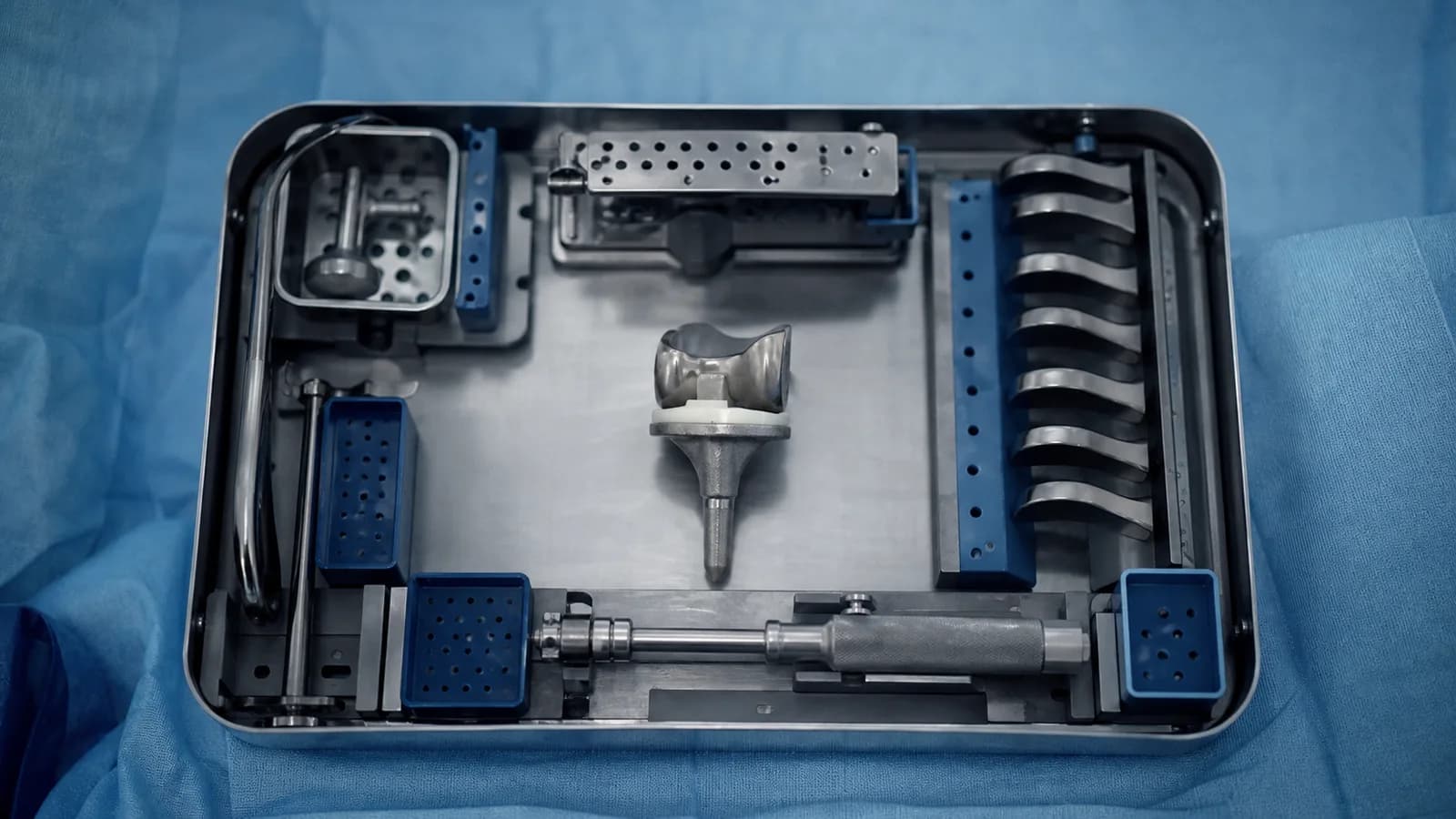
An implant or device failed
How the FDA cleared the device usually decides whether you can sue at all.
Read this
My medication was recalled
Contamination claims sidestep the preemption problem entirely.
Read this
The pharmacy made an error
The most provable claim here. The error is documented and preemption doesn't apply.
Read thisRelated guides
Evidence and research resources
See all resourcesEvidence checklist
The records, objects, photographs, and timelines worth preserving now.
Read thisPlain-language glossary
Medical, insurance, safety, and legal terms explained without the jargon.
Read thisOfficial sources
The government, court, safety, and medical sources used to check this site.
Read thisGet a straight answer about your case
Reading only gets you so far. A free review puts your actual facts in front of an attorney who handles these claims.
Free · No obligation · About 90 seconds