What happened
An implanted device or medical product failed
Medical device claims run on their own preemption rule, and it's a different one from the brand-versus-generic problem that governs drugs. Here the question is how the FDA let the device onto the market in the first place.
It's a distinction almost no patient knows about, and it frequently determines whether a claim exists at all.
Published July 29, 2026 · Last reviewed July 30, 2026
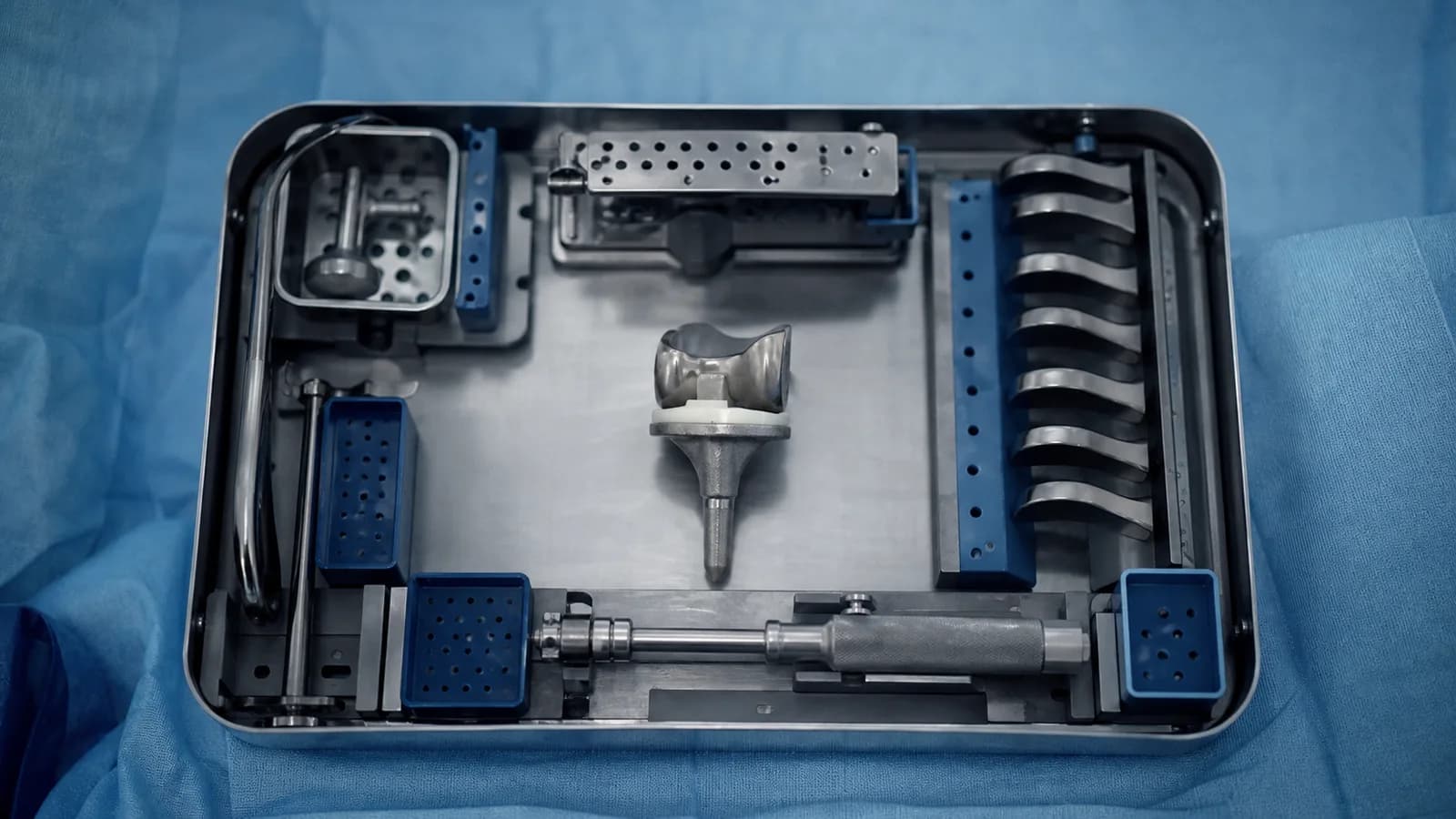
510(k) clearance versus premarket approval
Most devices reach the market through the 510(k) pathway, by demonstrating substantial equivalence to a device already being sold. That process assesses whether a device is substantially equivalent to a legally marketed predicate, including relevant safety and performance considerations, rather than independently evaluating safety and effectiveness the way premarket approval does. In Medtronic v. Lohr (1996) the Supreme Court held that 510(k) clearance does not preempt state-law claims. Those devices can generally be sued over in the ordinary way.
A smaller group of high-risk devices goes through premarket approval, a far more demanding process involving clinical data and FDA sign-off on the design and labeling. In Riegel v. Medtronic (2008), the Court held that PMA devices are largely shielded: because the FDA imposed specific federal requirements, state-law claims that would impose different requirements are preempted.
So the practical order of questions is: what device was it, which pathway cleared it, and does a parallel claim survive.
The recurring device categories
Each of these has an extensive recall and litigation history, which means the general causation work is often already developed.
- Surgical mesh — hernia and pelvic mesh, with erosion, chronic pain, adhesion, and revision surgery
- Hip and knee implants, including metal-on-metal designs that shed debris into surrounding tissue
- Intrauterine devices, including migration and perforation
- Cardiac devices — leads, defibrillators, stents, and pumps
- CPAP and ventilator devices with degrading sound-abatement foam
- Surgical staplers, clips, and robotic surgical systems
- Insulin pumps and continuous glucose monitors
- Breast implants and tissue expanders
Preserve the explanted device
This is the single most important practical step, and it's routinely missed because it happens in an operating room while you're unconscious.
If a device is removed, ask in advance and in writing that the explanted device be preserved and returned to you or held for examination. Hospitals often send failed devices back to the manufacturer for analysis — which puts the central evidence in the hands of the defendant, exactly as with any other product claim.
Also get the device identifier from your records. Implants are documented with a manufacturer, model, lot, and serial number in the operative report and the implant log, and a unique device identifier on newer products. That's what ties you to a specific recall or production run.
What to gather
Most of it lives in records you're entitled to.
- The operative report from the implantation, which names the device
- The implant card or device sticker, often given to patients
- The explant operative report, if it was removed
- The explanted device itself
- Imaging showing the device before and after failure
- All records of the symptoms and revision surgeries that followed
- Any recall or safety notice covering your model and lot
What tends to make a claim worth pursuing
None of these is a guarantee. They are the facts an attorney will look for first when deciding whether to take a case like yours.
- You can identify the device manufacturer, model, and lot number
- The device was cleared through 510(k) rather than premarket approval
- It was recalled or subject to an FDA safety communication
- You required revision or removal surgery
- The explanted device was preserved
- There is existing coordinated litigation over the same device
Questions
How do I find out which FDA pathway my device went through?
FDA maintains public, searchable databases for both 510(k) clearances and premarket approvals, and you can look up a device by manufacturer and model. You need the device identity first — get it from your operative report.
The hospital sent the removed device back to the manufacturer.
Common, and it's a problem worth addressing immediately. Send a written request to both the hospital and the manufacturer to preserve it and to document its chain of custody. Failure to preserve after notice creates its own consequences for them.
My device was recalled but I'm not having problems.
Talk to your physician about whether monitoring or removal is medically appropriate — that's a medical decision, not a legal one. Legally, injury claims require an injury, though some states recognize medical monitoring claims for a proven increased risk.
Read next
Other situations

A prescription drug harmed me
The hardest claim here. Whether it's viable often turns on brand versus generic.
Read this
My medication was recalled
Contamination claims sidestep the preemption problem entirely.
Read this
The pharmacy made an error
The most provable claim here. The error is documented and preemption doesn't apply.
Read this
An OTC drug or supplement
Supplements are barely regulated pre-market. That cuts both ways.
Read thisEvidence and research resources
See all resourcesEvidence checklist
The records, objects, photographs, and timelines worth preserving now.
Read thisPlain-language glossary
Medical, insurance, safety, and legal terms explained without the jargon.
Read thisOfficial sources
The government, court, safety, and medical sources used to check this site.
Read thisHave a lawyer look at this
A free review tells you whether the facts you have are the facts that matter. No cost, and no obligation to hire anyone.
Free · No obligation · About 90 seconds