Medication injury
Two questions decide almost every drug case.
Was it the brand or the generic — which sounds trivial and often decides everything. And can anyone actually prove the drug caused it. Start there, not with a settlement estimate.
Free · No obligation · About 90 seconds
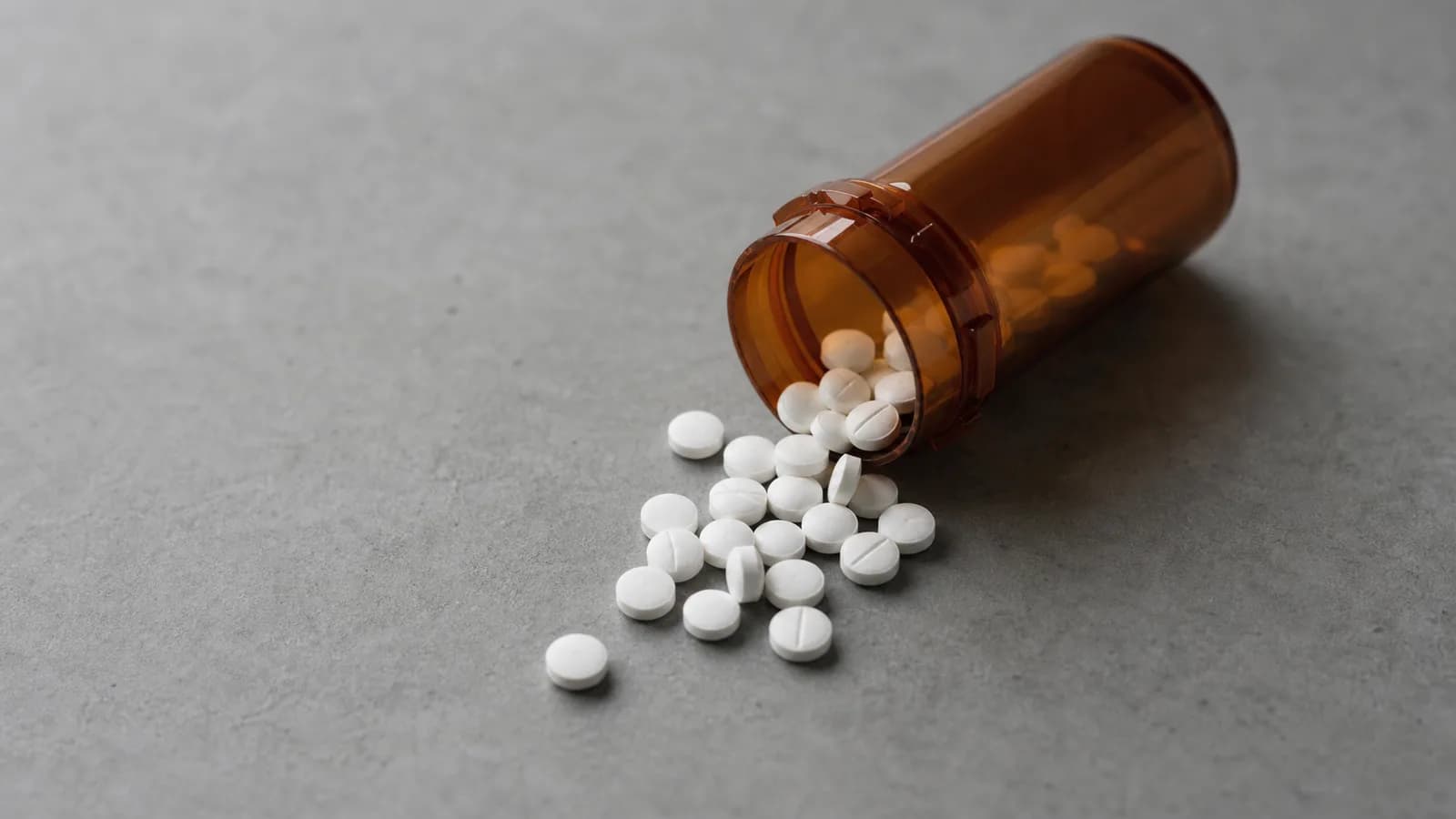
Brand vs. generic
Federal preemption largely bars failure-to-warn claims against generic manufacturers — which version you were dispensed can decide the claim
PLIVA v. Mensing (2011); Mutual Pharmaceutical v. Bartlett (2013)
MDL
Most pharmaceutical litigation is consolidated in multidistrict litigation — individual cases, coordinated pretrial, not a class action
Records
Pharmacy dispensing records are the single most important document in these claims, and you have a right to request them
How these cases are built
Never stop taking a prescribed medication because of something you read on a website, including this one. Stopping some drugs abruptly is more dangerous than continuing them. Talk to your prescriber first. Everything below assumes you've done that.
Drug injury claims are unlike other injury claims in two respects, and both are usually skipped by sites in this category.
The first is preemption. Under a line of Supreme Court decisions, generic manufacturers are required to use the same labeling as the brand-name drug, and because they cannot unilaterally change it, failure-to-warn claims against them are largely barred by federal law. Brand-name manufacturers face no such bar. So the same injury, from the same molecule, can be a viable claim or no claim at all depending on which version was dispensed — something most patients never chose and often don't know. That is a genuinely unsatisfying rule and it is the current state of the law.
The second is causation, which is harder here than almost anywhere. Medications are taken by people who are already sick, and the injury alleged is frequently something that also occurs in the general population. Proving a drug caused a specific outcome takes epidemiological evidence that the drug can cause it, plus evidence that it did in your case — expert work that is expensive and takes time, which is why these claims are usually pursued in coordinated litigation rather than one at a time.
None of that means claims aren't viable. It means the honest answer to whether you have one depends on facts you can gather: what you took, who made it, when, what happened, and what your records show.
Start with what happened
Pharmacy error claims are the most provable in this category. Drug injury claims are the hardest. They're genuinely different animals.
The pharmacy made an error
The most provable claim here. The error is documented and preemption doesn't apply.
Read this
A prescription drug harmed me
The hardest claim here. Whether it's viable often turns on brand versus generic.
Read this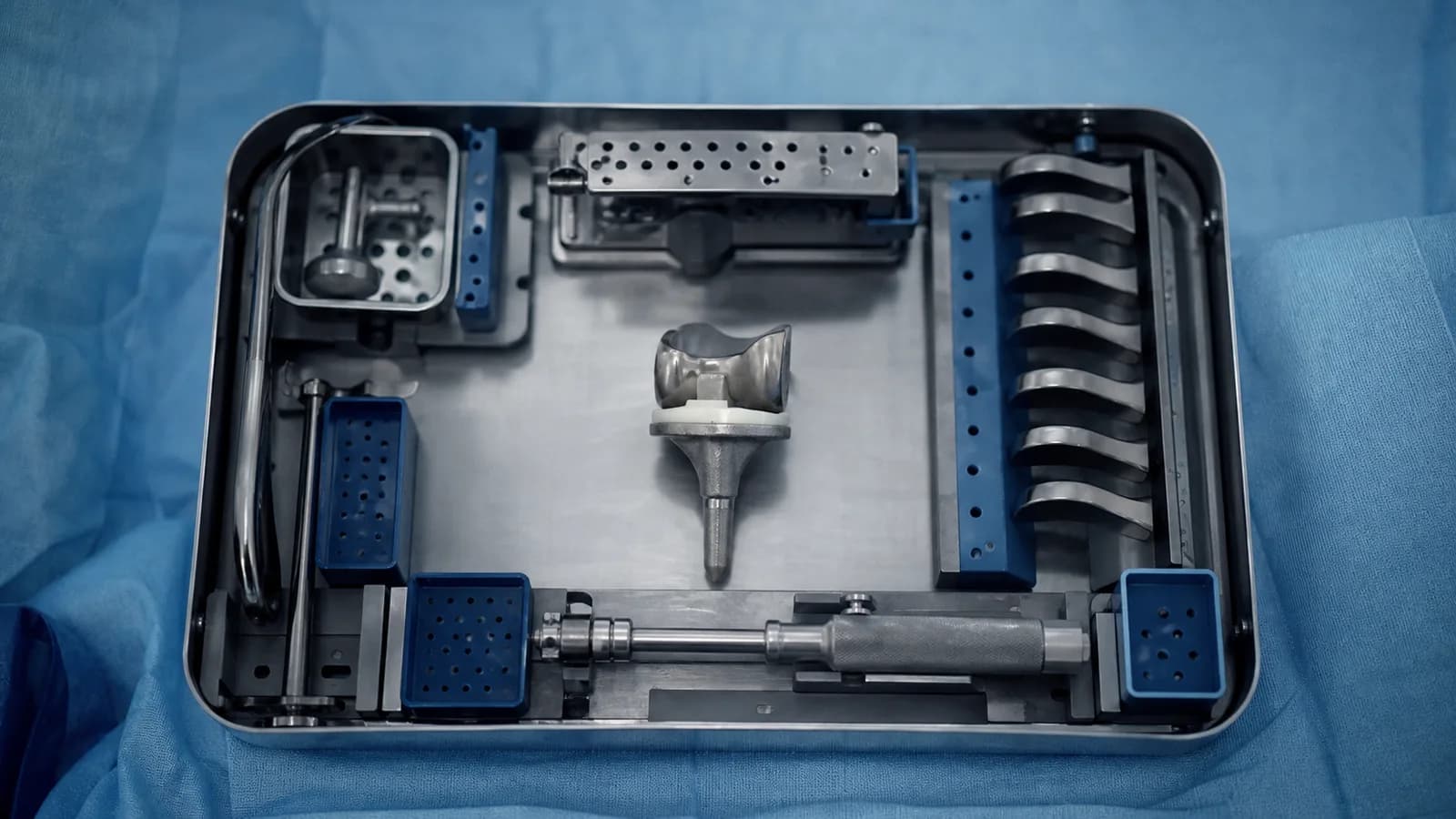
An implant or device failed
How the FDA cleared the device usually decides whether you can sue at all.
Read this
My medication was recalled
Contamination claims sidestep the preemption problem entirely.
Read this
An OTC drug or supplement
Supplements are barely regulated pre-market. That cuts both ways.
Read thisBefore you talk to anyone
The mechanics of this field are genuinely unlike other injury law. These four explain why.
How this litigation works
You keep your own case. That's the difference from a class action.
Read thisBrand versus generic
An unsatisfying rule that decides a lot of cases. Here's what survives it.
Read thisProving causation
Two separate proofs, both contested hard. This is where cases fail.
Read thisDeadlines
When the clock starts is genuinely unclear here — which cuts both ways.
Read thisEvidence and research resources
See all resourcesEvidence checklist
The records, objects, photographs, and timelines worth preserving now.
Read thisPlain-language glossary
Medical, insurance, safety, and legal terms explained without the jargon.
Read thisOfficial sources
The government, court, safety, and medical sources used to check this site.
Read thisCommon questions
Should I stop taking my medication?
Talk to your prescriber, not a website. Stopping some medications abruptly is more dangerous than the risk you're concerned about. This is a medical decision and it belongs with your doctor.
Is this a law firm?
No. Pill Injury is a free service that connects people to independent attorneys handling medication and pharmacy error claims. We don't practice law, we're not doctors, and nobody here is your lawyer.
What does it cost?
Nothing. We're paid a flat advertising fee by the firms we refer to. It doesn't scale with your case and never comes out of a recovery.
What's the most useful thing I can do first?
Request your complete pharmacy dispensing history from every pharmacy you've used. It's free, you're entitled to it, and it answers the brand-versus-generic question that determines whether many of these claims are viable at all.
Will you tell me if I don't have a case?
Yes, and it happens frequently here. Preemption and causation rule out a lot of otherwise sympathetic situations. We'd rather say so than leave you waiting.
Will you sell my information?
We share your submission with the law firm we refer you to and the providers who transmit and store it. We don't sell it to marketing lists or data brokers, and you can revoke consent to be contacted at any time.
Find out if you have a case
Tell us what happened. If your situation looks like something a lawyer should see, we connect you with an independent attorney who handles this type of claim. If it doesn't, we'll say so.
Free · No obligation · About 90 seconds